My Projects
As a GSSE student, this section of my portfolio presents collaborative group projects that address social, environmental, and cultural challenges. Focusing on issues such as education, urban change, waste management, and digital ethics, our work combines research, community insight, and practical solutions, reflecting a shared commitment to building a more inclusive, resilient, and informed society.
Waste Pollution in Pattaya Pattaya
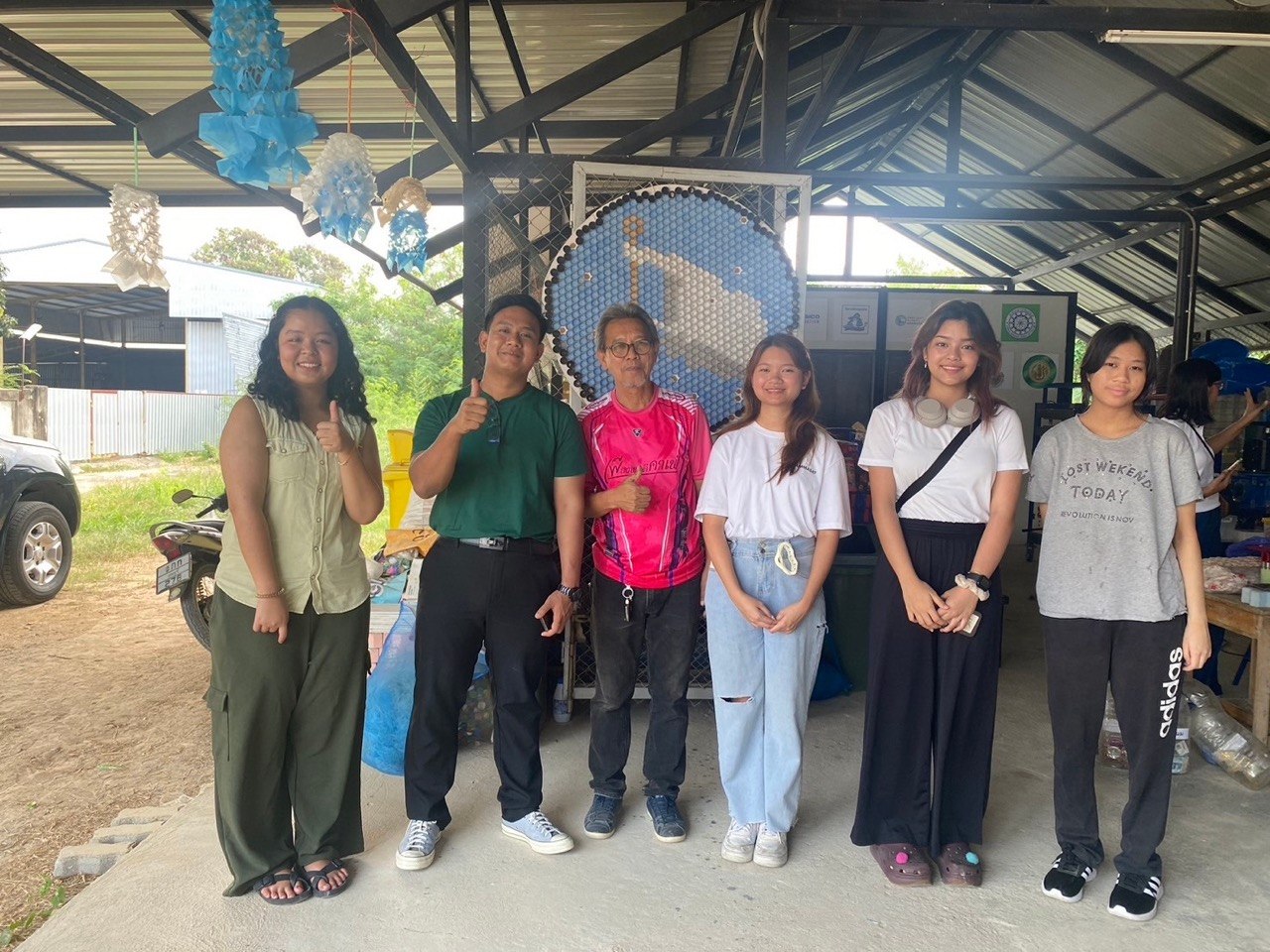
This research project investigates the root causes of water pollution in Pattaya, identifying rapid tourism and hotel development as primary drivers of waste. Through local surveys and stakeholder interviews, the study reveals a disconnect between government cleanup efforts and the lived experience of local vendors. It also showcases the vital work of volunteer groups like "Trash Hero Pattaya" and the "Blue Carbon Society" in protecting marine life and promoting environmental awareness.
Trash to Zero
“Trash to Zero" is a student-led initiative project at Thammasat University designed to combat improper waste disposal.Identifying a gap in student awareness, the project utilizes an Instagram-based campaign to educate the student body on proper waste segregation. The initiative incentivizes participation by encouraging students to film themselves correctly sorting waste for a chance to win prizes such as AirPods.

Ecowiz
EcoWiz is a mobile application platform designed to solve the electronic waste crisis in Thailand by connecting consumers with responsible disposal methods. The platform addresses low public awareness by providing a map of over 1,000 drop-off locations and educational resources on the environmental impacts of e-waste. To encourage participation, it utilizes a reward-based system where users earn "EcoCoins" for their contributions, which can be exchanged for coupons from partner businesses. The project aims to manage 3+ tons of e-waste properly and reach over 50,000 users within three years
Research Paper about RecyGlo
This project is an analytical case study of RecyGlo, a data-driven waste management company that transforms waste into valuable resources using circular economy principles. Conducted for an Urban Innovation course, the research evaluates the effectiveness of the company’s B2B and B2C platforms, specifically its AI-driven ESG reporting tools and the "Oh My Trash" app. The study concludes with strategic recommendations for expanding RecyGlo’s technology into water footprint tracking and specialized waste segregation for the healthcare and energy sectors.
Nang Loeng MarketResearch Project
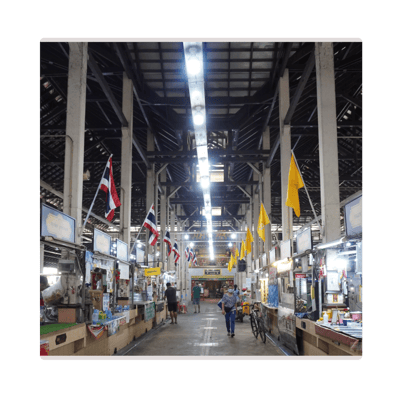
This comprehensive research project investigates the multifaceted challenges facing Bangkok’s historic Nang Loeng Market, such as gentrification, urban poverty, and environmental degradation. It proposes community-led solutions, including heritage-focused zoning regulations and the preservation of traditional arts, to revitalize the area while maintaining its unique cultural identity.
Media Projects
It was not Me
Kaw Som Mue
This project, developed for course GS 205, focuses on cyberbullying management. It specifically explores the intersection of digital empathy and the ethical challenges posed by deepfake abuse through the medium of a short video.
This media project documents and preserves the traditional rice milling machine used in a local village in Phraek Si Racha, Chai Nat Province, during our Summer School Field Immersion. Our supervisors and local department leaders were very pleased with our video and concept.
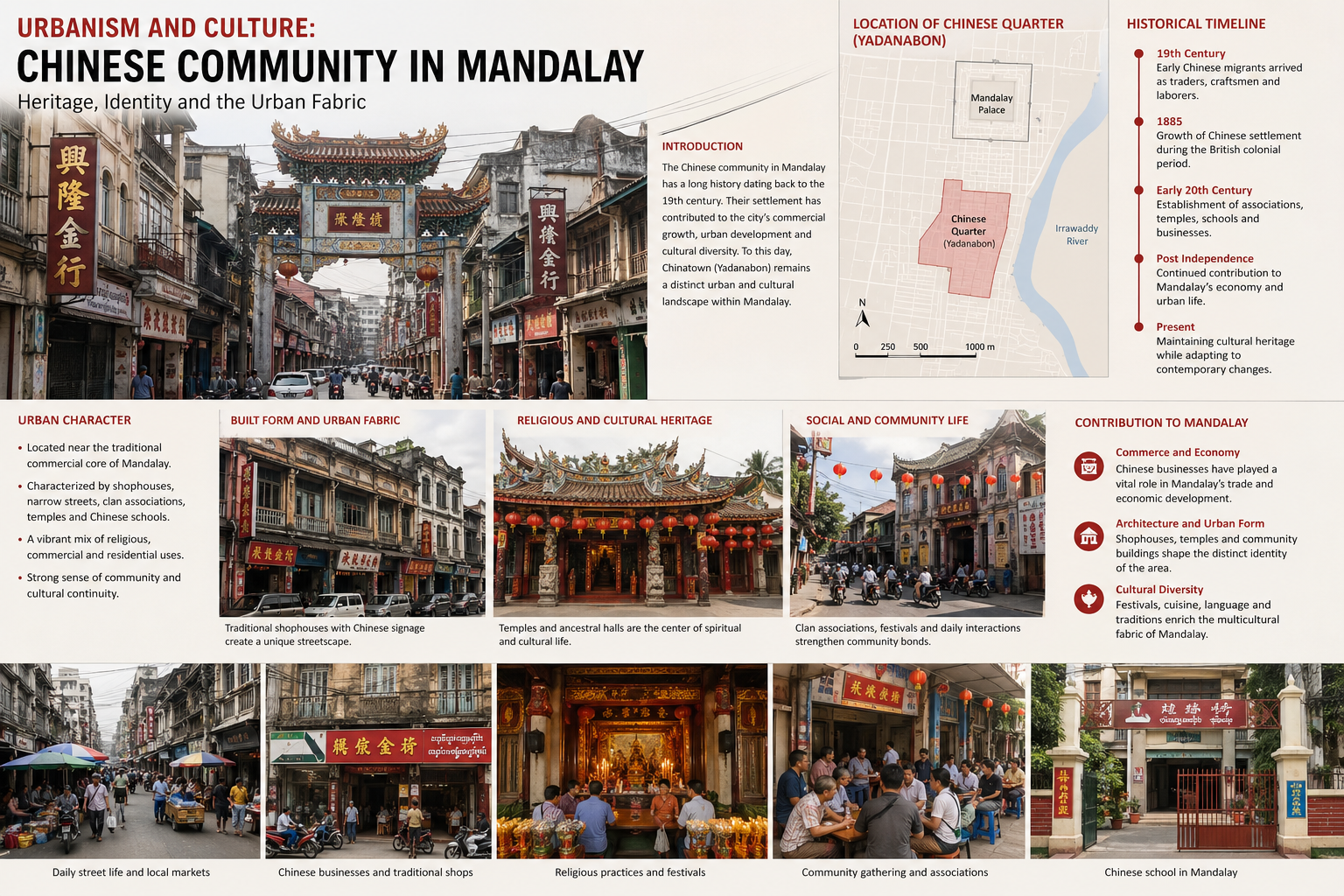
Urbanism and Culture: Chinese Community in Mandalay
This research explores the relationship between urbanism and culture through the case of the Chinese community in Mandalay, Myanmar. It examines how historical migration, economic activities, and cultural practices have shaped the city’s urban fabric and identity. By focusing on spatial patterns, architecture, and community life, the study highlights the ways in which the Chinese community has contributed to Mandalay’s development while maintaining its cultural heritage in a rapidly changing urban environment.